
Building a Trading Plan
What a trading plan is, its essential components, and why writing one makes you consistent.

Can You Make a Living Trading Forex?
An honest look at the odds, what it really takes, why most retail traders lose, and why you shouldn't quit your job to start.
Common Beginner Mistakes
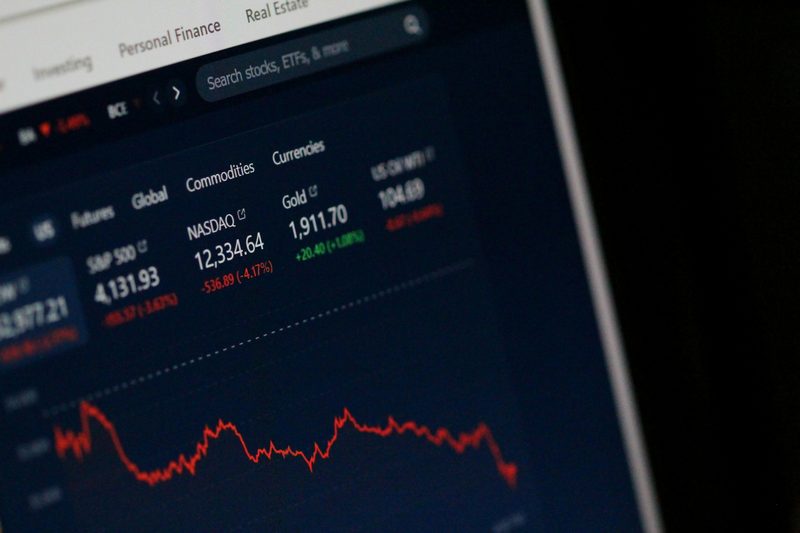
The classic mistakes beginners make — and the fixes that sidestep the traps that catch most.

Forex Order Types Explained
Market, limit, stop, stop-loss and take-profit orders — how each works and when to use it.
Forex Trading and Taxes
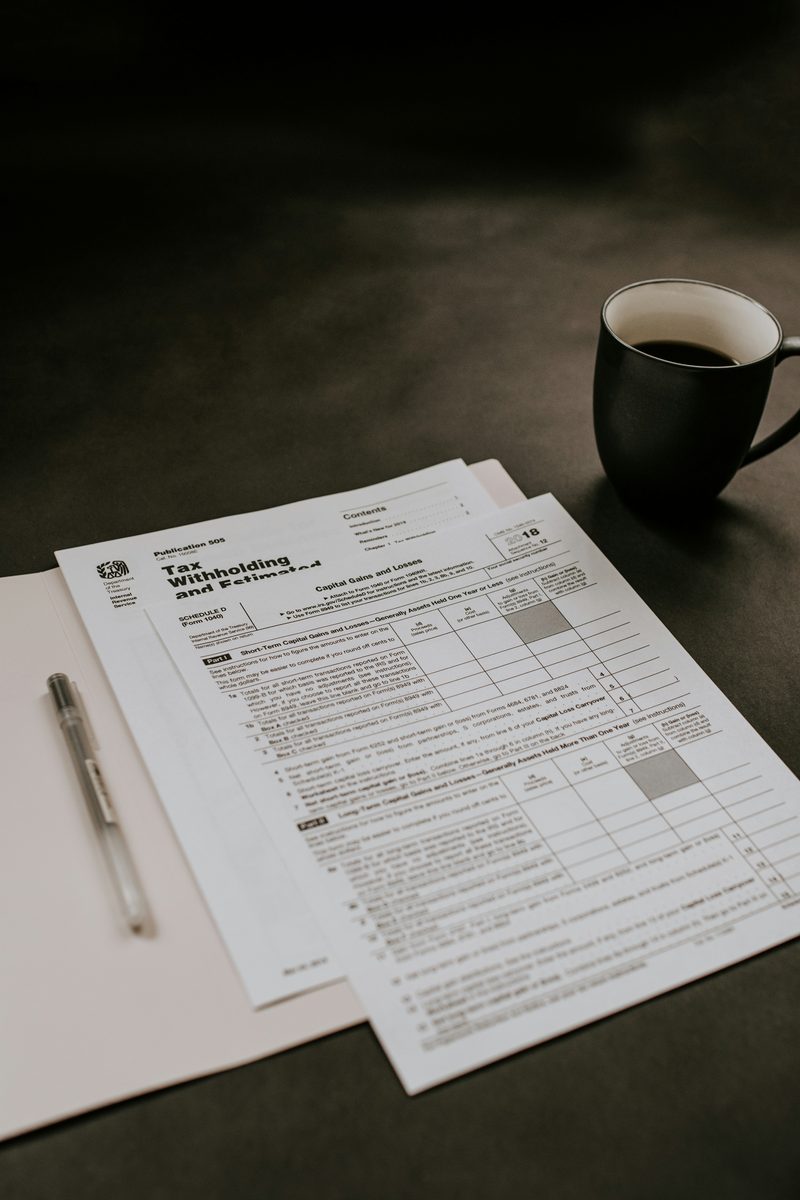
Why forex tax depends on your country, vehicle and status — the general picture, with a clear not-advice caveat.
Forex Trading Glossary
Plain-English definitions of the essential forex terms, grouped to build a clear mental map.
Forex vs Crypto
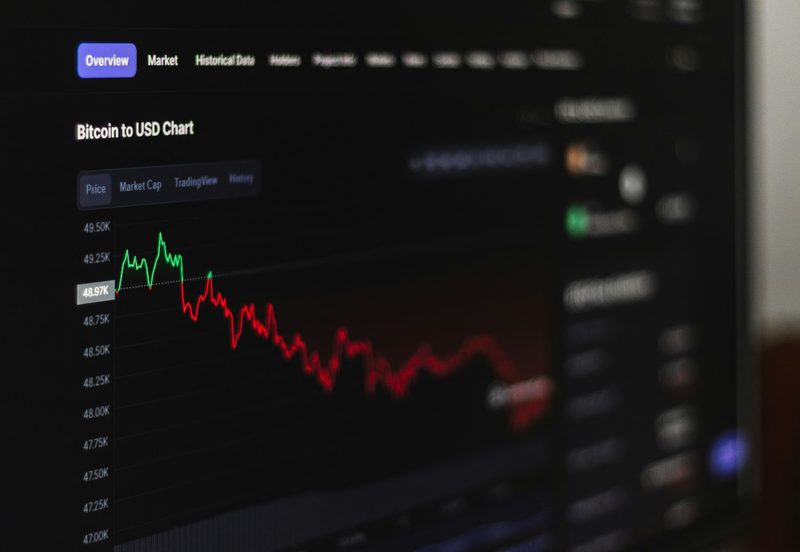
How forex and crypto differ in hours, volatility, regulation, liquidity and drivers — and which might suit a beginner.
Forex vs Stocks
How forex and stock markets differ in hours, choice, leverage and drivers — and which might suit you.
Going Long and Short
Buying (long) and selling (short) — profiting in both directions, and why every pair is long one, short the other.
How Much Money to Start Forex Trading
Why the minimum is low but the real question is starting sensibly — risk capital only, realistic returns.
How Profit and Loss Works
The simple formula behind forex P&L — pips moved × pip value × lots — with a clear worked example.
How to Learn Forex Trading
A realistic roadmap from education to demo to small live trading — why most of what you need is free, and how to avoid scams.
How to Start Forex Trading
A sensible step-by-step path to begin: learn, choose a broker, demo, plan, start small.
Is Forex Trading Gambling?
What separates trading with an edge from gambling — and when forex genuinely becomes a bet.
Placing Your First Trade
A step-by-step walkthrough of placing your first forex trade — pair, direction, size, stop, target, execute.
Prop Firms Explained
How forex prop firms and their challenges work — the fee-and-evaluation model, profit splits, and the realistic odds.
Reading an Economic Calendar
What the calendar's columns mean, why actual vs forecast drives the move, and how to use it.
What Are CFDs?
How CFDs let you trade price movements without owning the asset, the role of leverage, and why they're high-risk.

What Is Forex Trading?
A ground-up introduction to the foreign exchange market and what it means to trade it.

Best Currency Pairs for Beginners
Why beginners should start with the major pairs — tight spreads, liquidity, information — and which to avoid early.
Bid-Ask Spread Explained
Why every pair has two prices, why you buy at the ask and sell at the bid, and why the spread is a built-in cost.
Choosing Your Trading Style
Scalping to position trading compared — and how to pick the style that fits your life and temperament.
Common Forex Myths
The most common forex myths — easy money, prediction, robots, big accounts — and the honest reality behind each.
Common Forex Scams and How to Avoid Them
The common scams targeting beginners, the red flags, and how to protect yourself.
Demo vs Live Trading
What demo accounts teach, the emotional gap to live trading, and how to bridge it.
Forex Account Types
How accounts differ by size and execution model — and how beginners should choose.
Forex Market Participants
Who trades forex — central banks, major banks, funds, corporations and retail — their roles and relative size.
Forex Regulation Explained
What regulators do, why a regulated broker protects your money, how to check, and the danger of unregulated brokers.
Forex Signals Explained
What forex signals are, how they work, why quality varies wildly, the scam risks, and why they're no shortcut.
Forex Trading Platforms
What a platform does, the main ones (MT4, MT5, cTrader, TradingView), and how to choose.

Forex vs Indices
How trading currency pairs differs from stock indices in what they are, hours, drivers, liquidity and long-term bias.
How a Forex Trade Works
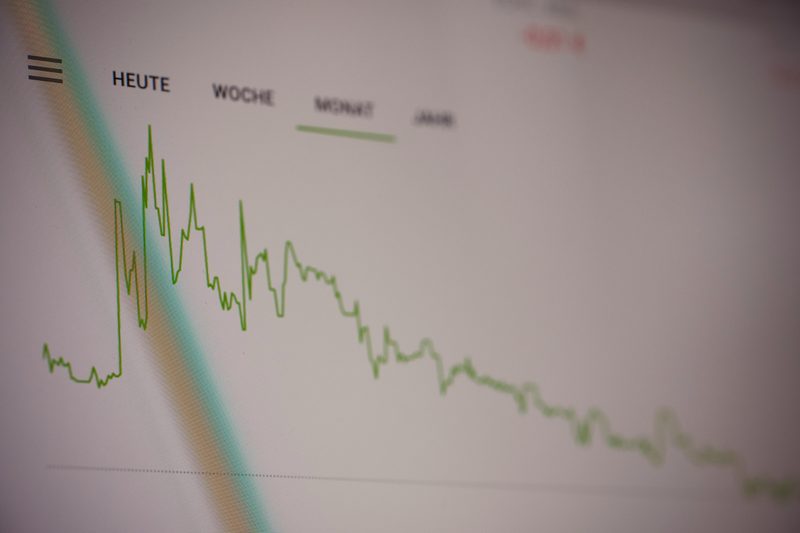
Long and short, bid and ask, and how profit and loss actually work — with a worked example.
How Forex Brokers Work
Your gateway to the market — market maker vs ECN/STP, conflicts of interest, and why regulation matters.
How to Calculate Position Size
Fix your risk and stop, then calculate the size with a simple formula — worked example included.
How to Choose a Forex Broker
What to check when picking a broker — and why regulation comes before everything else.
How to Deposit and Withdraw
The payment methods, verification, fees and times to expect — and why smooth withdrawals are the key test of a broker.
How to Read a Forex Quote
Decoding base and quote currency, the price, and the bid-ask spread.
How to Read a Price Chart
The axes, timeframes and chart types — and how to read a candlestick and the price action.
Islamic Forex Accounts
How swap-free accounts remove the overnight interest that conflicts with riba, who they're for, and what to check.
Margin and Margin Calls Explained
What margin is, free vs used margin, and how margin calls and stop-outs work.
Opening a Forex Account
The step-by-step process — choosing a regulated broker, account type, verification, funding, and demo-first.
Pips, Lots and Leverage Explained
The pip, the lot and leverage — the three core units behind every position.
Realistic Expectations in Forex Trading
An honest look at how much you can make, why most beginners lose, and the patient reality.
Rollover and Swap Explained
The interest paid or earned for holding overnight — the rate differential, triple-swap days, and why it matters.
Slippage and Execution
Why your fill price can differ from the price you clicked, and how to manage slippage.
The Cost of Trading Forex
The three main costs of trading — spread, commission and swap — and why they add up.
Types of Forex Analysis
Technical, fundamental and sentiment analysis — three complementary lenses, not rival camps.
Types of Forex Brokers
Dealing desk (market maker) vs no-dealing-desk (STP/ECN) — how each executes your orders, and why regulation matters more than the label.
Ways to Trade Forex
The difference between spot FX, CFDs, spread betting and futures — mechanics, costs, tax, and the risk warning.
What Moves the Forex Market
The main forces that drive exchange rates — rates, data, sentiment, flows and geopolitics.