
Break-Even Stops
How moving your stop to entry removes a trade's risk — the real trade-offs, when to use it, and how to do it well.

Correlation Risk in Forex
How correlated pairs multiply your real exposure — and how to manage the hidden concentration.

Effective Leverage
Why the leverage you actually use — position size vs your equity — matters far more than the broker's maximum.

Losing Streaks Explained
Why even a profitable system has long runs of losses, how win rate sets streak length, and how to survive them intact.
News and Event Risk
How scheduled events cause volatility, spread-widening, gaps and jumped stops — and how to defend your account.
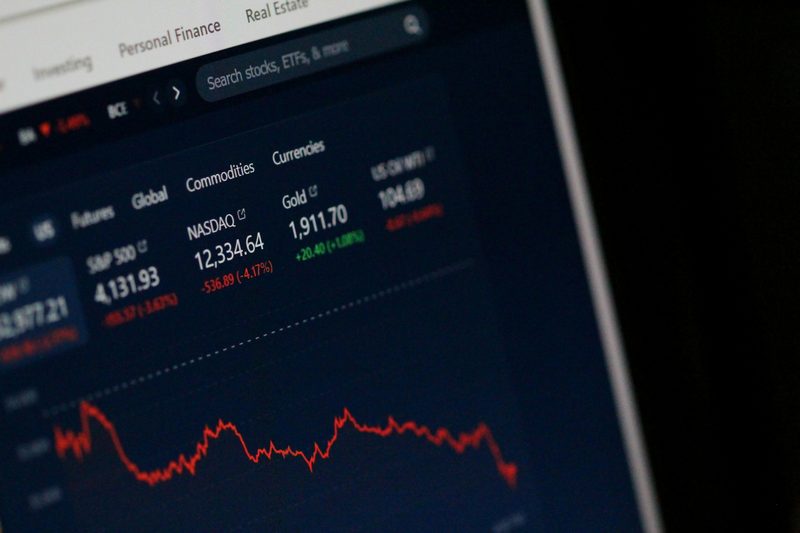
Portfolio Heat Explained
Why your total open risk across all positions matters as much as per-trade risk.

Pyramiding Into Winners
How adding to a winning position can compound gains — the rules that keep it safe, and why it's the opposite of averaging down.
R-Multiples Explained
Expressing every trade as a multiple of its initial risk — the R-distribution and expectancy in R.
Risk-Adjusted Returns
Why return per unit of risk matters — the Sharpe, Sortino and Calmar ratios, and their limitations.

Risk Management in Trading
Why controlling losses matters more than predicting wins — the foundation of lasting in the market.
Risk of Ruin Explained
The probability of blowing up — how edge and risk per trade decide whether you survive.
Sequence Risk Explained
Why the order of your trades changes your drawdown and risk of ruin — and how to size to survive it.
Setting Take-Profit Targets
Why a planned exit matters, the main ways to set a target, and the run-it vs lock-it tension.
Slippage in Forex
Why your fill differs from your expected price, what causes it, and why stop-losses can slip.
Stop-Loss Hunting
Why stops cluster beyond obvious levels and get swept — manipulation or liquidity, and how to place stops better.
The 1% Rule
Why risking ≤1% of your account per trade keeps losing streaks survivable — and how to size positions by it.
The Dangers of Overleverage
Why too much leverage is the number-one account killer, and how position size is the real control.

The Sharpe Ratio
How this classic metric measures return per unit of risk, why a smoother curve scores higher, and its limitations.
The Trading Journal
What to record, why it matters, and the feedback loop that turns trading into a skill.
Trailing Stops Explained
How a stop that follows a winning trade locks in profit, plus break-even stops and the trade-off.
Variance and Luck in Trading
Why short-term results are luck, skill emerges over large samples, and you must judge process not outcomes.
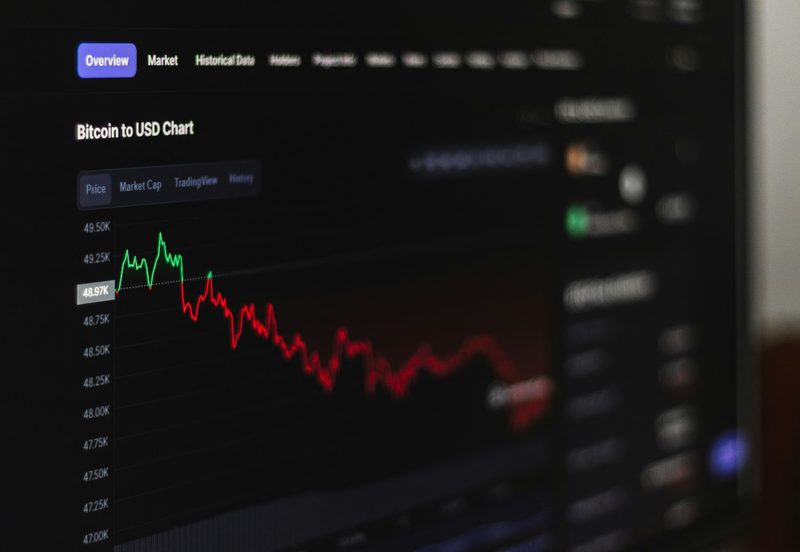
Averaging Down Explained
Why adding to losers is so seductive and so dangerous — and how it differs from planned scaling.

Black Swans and Tail Risk
Why markets have fat tails, why extremes happen more than expected, and how to survive them.
Equity Curve Analysis
Reading the graph of your account over time as a diagnostic — and the limits of equity-curve trading.
Expectancy and Win Rate
Why win rate alone is meaningless and expectancy is the number that really decides profit.
Gap Risk in Forex
Why weekend and event gaps can blow through a stop — and how to manage the risk.
Guaranteed Stop-Loss Orders
How a GSLO caps your loss exactly even through gaps, the premium it costs, and when it's worth paying.

Hedging in Forex
Direct and correlation hedges, their costs, and why good sizing usually beats hedging.
How to Set a Stop Loss
Placing the stop where the idea is wrong — and the cardinal rule of never moving it against you.

Liquidity Risk in Forex
The risk of not trading at the price you expect — when liquidity thins (off-hours, holidays, news, exotics) and how to manage it.
Martingale and Anti-Martingale
Why doubling down after losses leads to ruin — and why the opposite approach is sound.
Maximum Adverse Excursion
How MAE and MFE reveal whether your stops and targets fit your trades — and the danger of curve-fitting them.
Maximum Favorable Excursion
How measuring the furthest a trade ran in your favour sharpens your targets and exits — the profit-side counterpart to MAE.

Monte Carlo Simulation in Trading
Reshuffling trades into thousands of paths to reveal the true range of drawdowns and risk of ruin.
Overfitting and Curve-Fitting
Why a strategy tuned to past data fails live, how to spot curve-fitting, and how to build more robust systems.
Position Sizing Explained
Sizing a trade from your risk, not your conviction — the most powerful risk control there is.
Recovering From a Drawdown
Why drawdowns are normal, the disciplined process for climbing back, and why 'winning it back fast' deepens the hole.
The Risk-Reward Ratio Explained
How risk:reward and win rate combine into expectancy — and why you can lose most trades and still profit.
Scaling In and Out
Building and exiting positions in stages — adding to winners, and the danger of averaging down.
Setting Risk Limits
Per-trade, daily and drawdown loss limits that protect your capital — and protect you from yourself.

Statistical Significance in Trading
Why a handful of trades proves nothing, how many you really need, and why testing many strategies inflates false positives.
Survivorship Bias
Why you only see the winners — how survivorship bias distorts your sense of success and corrupts backtests.
The Daily Loss Limit
A circuit breaker that stops you trading after a set daily loss — why it prevents tilt spirals, how to set one, and honouring it.
The Kelly Criterion Explained
The formula for optimal bet size, why full Kelly is too aggressive, and fractional Kelly.
The Math of Drawdowns
Why a loss needs a larger gain to recover — the asymmetry that makes capital preservation paramount.
The Profit Factor
How gross profit divided by gross loss measures a strategy's profitability — how to read it, and why a very high value can warn.
Trading Costs Explained
How spread, commission, swap and slippage erode every trade — and why a strategy must beat its costs to profit.
Value at Risk Explained
How VaR estimates a likely maximum loss — its three components, and the tail risk it dangerously ignores.
Volatility-Based Position Sizing
Using volatility (ATR) to set stops and size, keeping risk consistent across conditions.
Walk-Forward Analysis
How rolling optimise-then-test windows validate a strategy on unseen data, guarding against overfitting better than a single backtest.