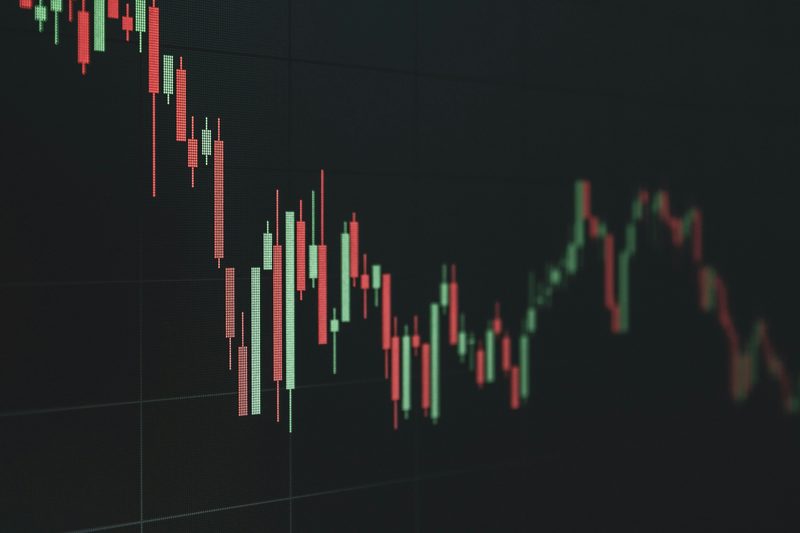
Candlestick Patterns Explained
Reading a candle's anatomy and the patterns it forms — and why context decides everything.
Chart Patterns Explained
Reversal vs continuation patterns, the measured move, and why confirmation matters.

The Cup and Handle Pattern
How the bullish cup-and-handle forms — the rounded cup, the handle, the breakout.

Fibonacci Retracements Explained
The key levels, how they act as support and resistance, and how to use them.
The Harami Candlestick Pattern
How a small candle inside the prior large body signals stalling momentum and a possible reversal.
Multi-Timeframe Analysis
The top-down approach of aligning entries with the higher-timeframe trend.
Pivot Points Explained
How pivot points are calculated, how day traders use the PP and R/S levels, and the variations.

Renko Charts
How Renko charts ignore time and plot only fixed price moves — filtering noise to clarify trend, and the trade-offs.
Support and Resistance Explained
The foundational levels where price pauses and reverses — what they are, why they form, and how to trade them.
Technical Indicators Explained
The four families of indicators, leading vs lagging, and how to use them without overload.
The CCI Indicator
How the CCI measures deviation from average — the ±100 levels, zero-line crosses, and using it sensibly.
The Ichimoku Cloud
The five components, how the cloud shows trend and support/resistance, and its limits.
The Stochastic Oscillator
How %K and %D work, overbought/oversold zones, divergence, and the trap in trends.

The Stochastic RSI
How StochRSI applies the Stochastic to RSI for a faster oscillator — and why sensitivity cuts both ways.

The SuperTrend Indicator
How the ATR-based SuperTrend line flips with the trend to give signals — great in trends, whipsawy in ranges.
Three White Soldiers and Three Black Crows
How three strong consecutive candles signal a sustained reversal — and the overextension risk.
Trendlines and Channels
How to draw trendlines and channels, use them as dynamic support/resistance, and why they're subjective.

VWAP Explained
How VWAP works as a volume-weighted fair-value benchmark — and why spot forex's lack of true volume is a caveat.
Wedge Patterns
Why a rising wedge is bearish and a falling wedge bullish — the opposite of their slope.
Bollinger Bands Explained
How the volatility bands work, the squeeze, riding the band, and mean reversion.
Confluence in Trading
Combining aligned signals to stack the odds — the synthesis of the whole TA toolkit.
Divergence in Trading
When price and momentum disagree — regular vs hidden divergence, and why it can persist.
The Doji Candlestick Explained
The candle of indecision — its types, and how to read one in context.

Donchian Channels
How Donchian channels plot the N-period high and low, their role in breakout/turtle trading, and their limits.
Double Top and Double Bottom Patterns
The M and W reversals — two failed pushes at a level, confirmed on the neckline break.
The Engulfing Candlestick Pattern
How a candle that swallows the last signals a decisive shift in control.
Fibonacci Extensions Explained
Projecting price targets beyond 100% with the 127.2, 161.8 and 261.8 levels.
A Fibonacci Trading Strategy
Turning Fibonacci levels into a complete plan: trend, confluence, entry, stop and target.
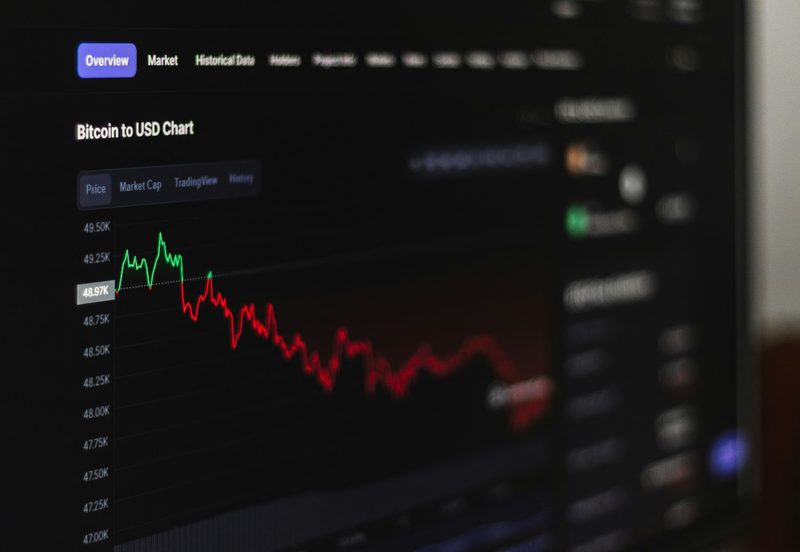
Flags and Pennants: Continuation Patterns
The brief consolidations after a sharp move that offer a second entry into a strong trend.
The Hammer and Shooting Star Candlesticks
Rejection candles and why the same shape flips meaning with context.
The Head and Shoulders Pattern Explained
The classic reversal pattern — the neckline, the measured target, and how to trade it.
Heikin-Ashi Candlesticks
How the averaged Heikin-Ashi technique smooths trends — how to read it, and why its prices are synthetic.
How to Draw Fibonacci Retracements
Choosing the right swing points and anchoring the tool correctly — plus the mistakes to avoid.
Keltner Channels
How Keltner channels use an EMA and ATR bands, how they differ from Bollinger Bands, and how traders use them.
Market Structure Explained
Reading trend from the pattern of highs and lows — the foundation of price action.
Marubozu and Spinning Tops
The full-bodied marubozu (conviction) and the small-bodied spinning top (indecision) — and how to read them.
The Morning Star and Evening Star Patterns
The three-candle reversals: a strong move, a pause, then a reversal.
Moving Averages Explained
SMA vs EMA, choosing periods, and using moving averages for trend, support and crossovers.
On-Balance Volume (OBV)
How OBV turns volume into buying/selling pressure — confirmation, divergence, and the forex tick-volume caveat.
Piercing Line and Dark Cloud Cover
How a second candle reversing past the midpoint of the first signals a possible reversal.

Price Gaps Explained
What a gap is, the four types, the gap-fill tendency, and why forex gaps are mostly weekend gaps.
The Rectangle Chart Pattern
How price consolidates in a rectangle, why it's neutral until breakout, and how to trade it.
Rounding Bottom and Top
How gradual, curved reversal patterns form, and why the slow rounding signals a shift.
The ADX Indicator
How ADX measures trend strength, the +DI/-DI lines, and using it to pick your strategy.
The ATR Indicator
How Average True Range measures volatility, and how to use it for stops and sizing.

The Golden Ratio in Trading
Where 0.618 and 1.618 come from, and an honest look at whether markets respect them.
The MACD Indicator Explained
How the MACD line, signal line and histogram work, and reading its crossovers and divergence.
The Momentum Indicator
How momentum (and Rate of Change) measures the speed of price change — the baseline, divergence, and the core idea.
The Parabolic SAR
How the stop-and-reverse dots work as a trailing stop, and why they whipsaw in ranges.
The RSI Indicator Explained
How the RSI measures momentum, what overbought/oversold really mean, and divergence.
Triangle Patterns: Ascending, Descending and Symmetrical
Ascending, descending and symmetrical triangles — what each signals and how to trade the break.
Triple Top and Triple Bottom
How three failed tests of a level signal a reversal — and how they differ from doubles.
Tweezer Tops and Bottoms
How two candles with matching highs or lows signal a level tested twice and rejected.
Volume in Forex
How volume confirms moves — and the crucial forex caveat that there's no true volume, only a tick-volume proxy.
Williams %R
Larry Williams' oscillator on the 0 to -100 scale — reading overbought/oversold without fading trends.